
What to Expect from a K9 Handler Training Course
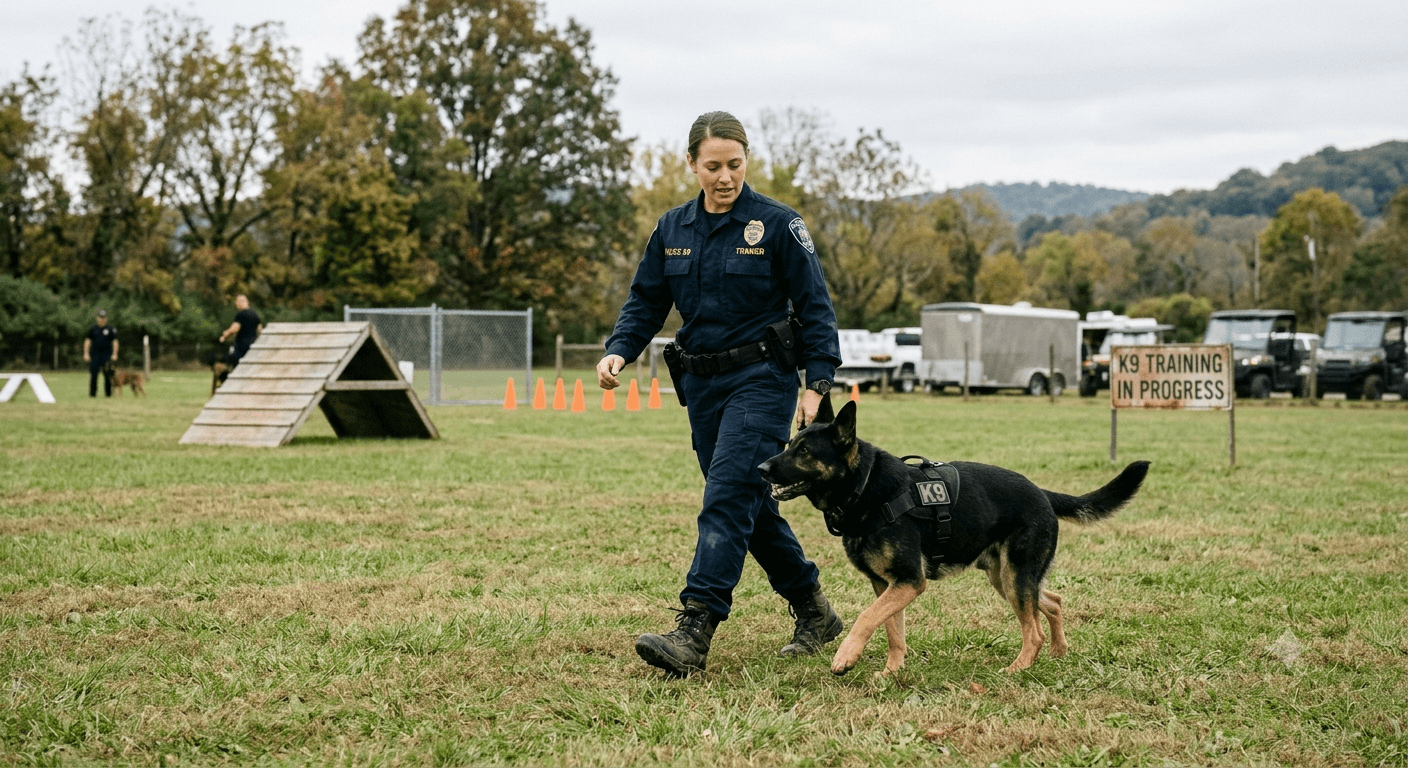
A K9 handler training course is designed to help a person work effectively with a trained or developing working dog. Whether the intended role involves law enforcement, security or another professional working environment, the handler must understand more than basic commands. Successful teamwork depends on observation, consistency, communication and the ability to follow an appropriate training plan.
Course structure varies according to the dog's working role, the participant's experience and the training provider. Understanding the main areas of instruction helps prospective handlers prepare for the experience and establish realistic expectations. Learning Canine Communication and Handling Fundamentals
An important part of handler training is learning to observe a dog's behavior. Handlers need to recognize changes in attention, engagement, confidence and responsiveness. These observations help them understand how the dog is responding to an exercise and when adjustments may be necessary.
Participants generally develop practical handling skills through supervised exercises. These may include leash handling, positioning, giving consistent cues, maintaining engagement and establishing predictable working routines. The specific techniques depend on the dog's training and intended function.
Consistency is particularly important. Dogs learn through repeated experiences, and unclear signals can make training less effective. Handlers therefore need to understand the cues already established in the dog's training program and apply them appropriately.
Courses may also introduce equipment familiarization, basic care routines and safe working practices. Participants should understand their responsibilities for the dog's welfare, training environment and interactions with other people.
Practical Exercises and Scenario-Based Learning
Practical work allows handlers to apply classroom instruction in a controlled environment. Depending on the course, exercises may focus on obedience, environmental confidence, controlled movement, detection foundations, tracking foundations or patrol-related skills.
The activities should match the course objectives and the participant's experience. A beginner may spend considerable time developing communication and control, while a more experienced participant may work on refining established routines or improving performance in specific environments.
Scenario-based exercises help participants recognize how conditions can affect a working dog. Noise, unfamiliar surroundings, distractions and changes in routine may influence performance. Supervised practice gives handlers an opportunity to observe these responses and learn how to work through challenges systematically.
Feedback is another important part of the process. Trainers can identify inconsistent cues, handling habits that interfere with the exercise and areas where additional practice is needed. Progress should be evaluated against the course's objectives rather than assumed from participation alone.
Building Skills Beyond the Course
Completing a handler course is one stage in developing a reliable working partnership. Continued practice helps reinforce the routines introduced during training and allows handlers to identify areas that require further attention.
Participants should understand the importance of maintaining records where appropriate, following the training provider's recommendations and seeking qualified guidance when a dog's behavior or performance changes. They should also know the limits of their current training and avoid undertaking tasks for which they are not prepared.
Before enrolling, prospective participants should ask about entry requirements, course duration, the experience level expected, whether a dog is provided and which working functions are covered. They should also clarify how practical performance is assessed and what additional training may be needed after completion.
A K9 handler training course should provide a structured foundation for teamwork, not a promise of immediate proficiency in every situation. The strongest results come from clear instruction, consistent practice, appropriate expectations and a commitment to the dog's ongoing development. K9 Working Dogs International recognizes the importance of aligning handler preparation with the intended role of the dog and the demands of its working environment.
Ready to Start Your Canine Program?
Submit an official service inquiry for certified police dogs, private detection, or handler courses.
Related Stories
 Training
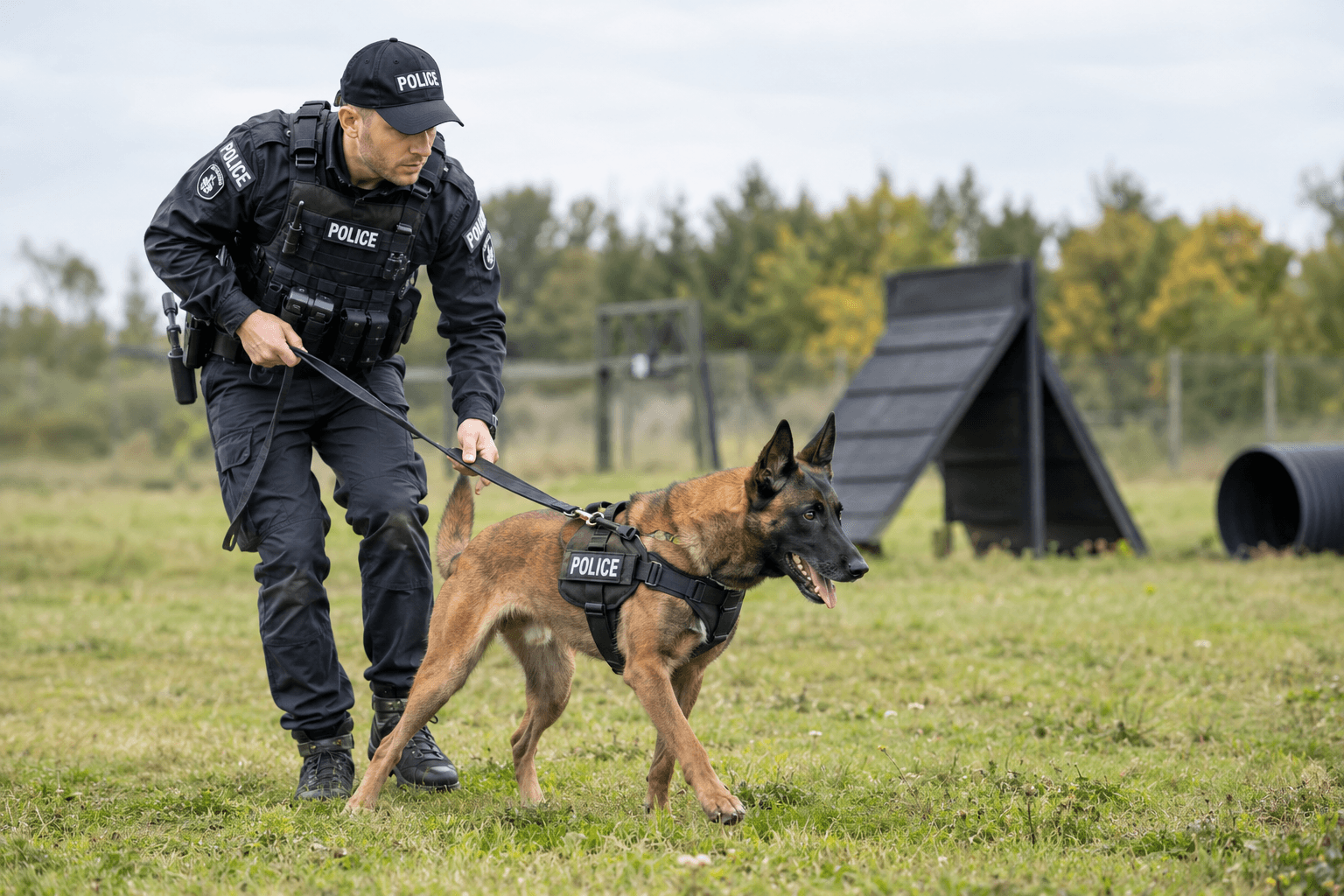
Single Purpose vs. Dual Purpose vs. Multi Purpose K9s: Choosing the Right Dog for Your Agency
Understanding the differences between single purpose, dual purpose and multi purpose working dogs helps agencies match training, operational requirements, handler resources and long-term maintenance to their actual needs.
 Protection Dogs
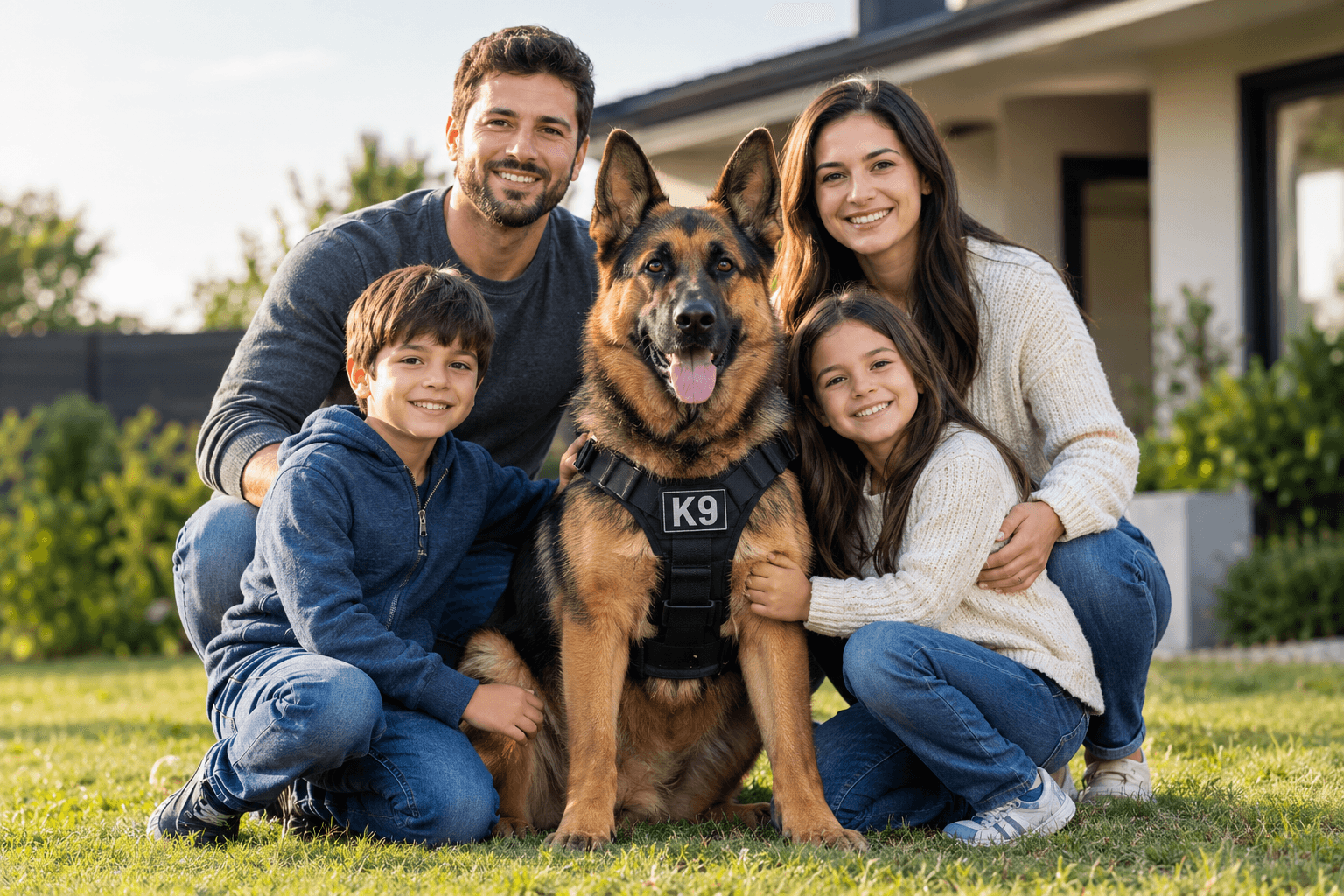
Best Protection Dog Breeds for Families
Discover the best protection dog breeds for families, including German Shepherds, Belgian Malinois, and Rottweilers. Learn about their temperament, training needs, and suitability for family life.
 Protection Dogs
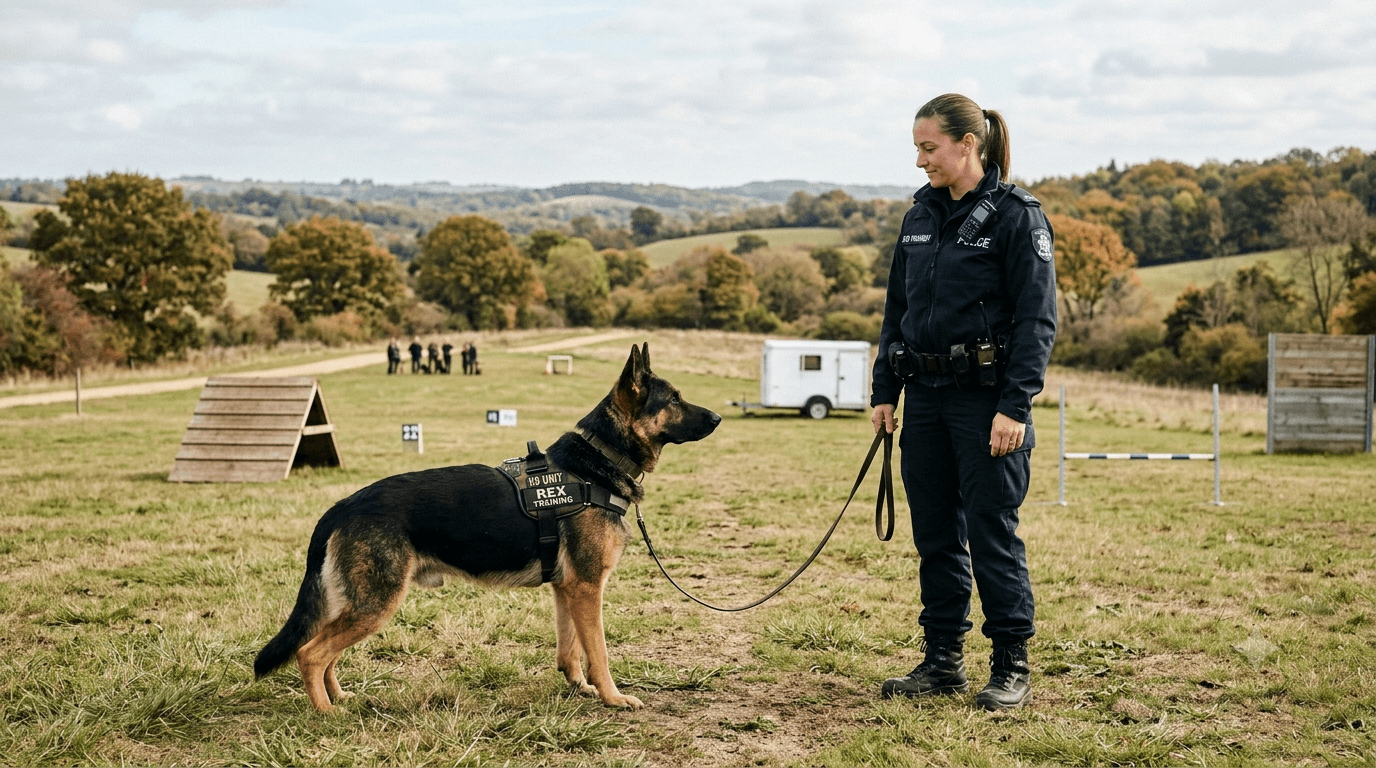
Five Questions to Ask Before Buying a Protection Dog
Buying a protection dog requires careful consideration of temperament, training, household compatibility and ongoing responsibilities. These five questions can help families make a more informed decision.