
Single Purpose vs. Dual Purpose vs. Multi Purpose K9s: Choosing the Right Dog for Your Agency
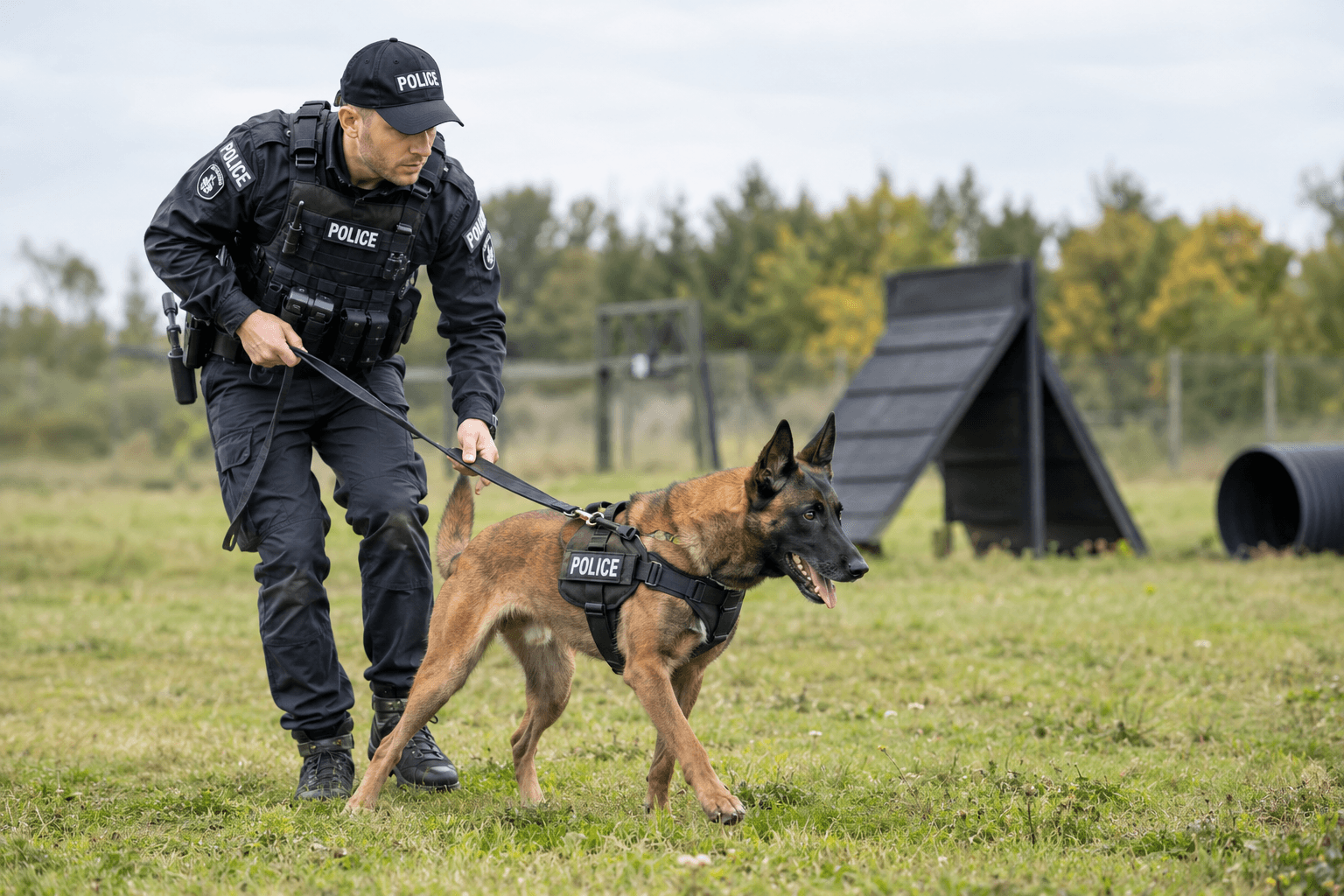
Choosing a working dog for a law enforcement agency involves more than selecting a breed or assessing a dog's individual abilities. Agencies need to consider the tasks the dog will perform, the environment in which it will work, the available training resources and the expectations placed on the handler. One of the first decisions is whether a single purpose, dual purpose or multi purpose K9 best fits the organization's requirements.
These categories describe the range of trained functions expected from a working dog. Understanding their differences helps agencies establish realistic expectations and plan for the dog's training, deployment and continued development. Understanding Single Purpose K9s
A single purpose K9 is trained primarily for one defined operational function. Detection work is a common example, with the specific target determined by the agency's requirements and the dog's training program. Other specialized assignments may also be organized around one principal function.
The main advantage of this approach is focus. Training can concentrate on developing reliable performance in a clearly defined task. The handler and training team can build a consistent routine around that function, evaluate progress against relevant criteria and identify areas requiring further practice.
For example, an agency that primarily needs a dog to support a specific detection requirement may benefit from a dog whose training is dedicated to that role. The selection process can focus on the dog's suitability for the target task, its working motivation, its ability to remain engaged and its performance in environments relevant to the assignment.
Single purpose does not mean that a dog requires little training. Specialized work still requires preparation, repetition, assessment and ongoing maintenance. Environmental changes, unfamiliar locations, handler consistency and distractions can all affect performance.
Agencies should also consider the practical limitations of specialization. If operational requirements change, the dog may not automatically be suitable for a different function. Additional training would need to be assessed separately rather than assumed to be appropriate.
A single purpose K9 is often a sensible option when an agency has a clear, recurring requirement and wants to concentrate its available resources on one principal working function. What Makes a Dual Purpose K9 Different?
A dual purpose K9 is trained to perform two distinct operational functions. A common law enforcement example combines detection with patrol-related work. The precise combination depends on the agency's needs, the dog's suitability and the training program.
This arrangement can provide operational flexibility. An agency may need a dog that supports a defined detection task while also contributing to patrol operations. Rather than maintaining separate dogs for every requirement, the agency can evaluate whether one appropriately trained dog can meet both needs.
However, dual purpose training involves more than adding another task to an existing training schedule. Each function has its own performance expectations, handling considerations and maintenance requirements. The training program must allow the dog to develop the necessary skills without compromising reliability in either role.
Handlers also need to understand when each trained function is appropriate. Clear cues, consistent routines and structured transitions help establish the difference between activities. Training should include suitable scenarios in which the handler can assess the dog's response while maintaining control of the exercise.
Agencies must consider the dog's individual temperament and working characteristics. A dog that performs well in one task is not automatically suitable for another. Selection should evaluate the qualities needed for both functions, followed by appropriate training and assessment.
Dual purpose dogs may be useful for organizations with several recurring requirements and sufficient resources to maintain both skill sets. The potential advantage is flexibility, but that advantage depends on consistent training, appropriate deployment and realistic expectations.
Multi Purpose K9s and Their Operational Demands
A multi purpose K9 is expected to perform several trained functions within a defined working program. Depending on the program, these functions may include detection, tracking and patrol-related tasks.
The broader range of functions can make a multi purpose dog attractive to agencies operating across different environments or responding to varied operational needs. It may offer additional options when planning assignments, provided the dog's training and the handler's qualifications support those activities.
The increased range also brings greater complexity. Each function needs clear objectives, suitable training scenarios and ongoing evaluation. Training plans must account for the time required to maintain each skill, rather than concentrating only on the newest or most frequently used task.
Handlers must understand the specific requirements and limitations of every trained function. A dog that has completed training in several areas should not be assumed to perform each task equally well under all conditions. Performance depends on continued practice, the circumstances of the assignment and the dog's individual capabilities.
Multi purpose training also requires careful planning of how different tasks are introduced and maintained. The program should establish consistent cues, appropriate transitions and clear criteria for evaluating performance. Trainers need to identify whether progress in one area is accompanied by any difficulties in another.
Agencies should avoid selecting a multi purpose dog simply because it appears to offer the widest range of capabilities. The relevant question is whether those additional functions serve real operational requirements and can be maintained with the resources available.
How to Identify Your Agency's Requirements
The selection process should begin with a review of the work the dog is expected to support. Agencies should distinguish between tasks that are regularly required, tasks that occur occasionally and functions that are only hypothetical future needs.
The operating environment is another important consideration. A dog working mainly in controlled facilities may have different preparation requirements from one expected to work around vehicles, public spaces, varied terrain or changing environmental conditions. Selection and training should reflect the situations the dog is reasonably expected to encounter.
Available resources also matter. Agencies need to account for handler training, trainer availability, suitable training locations, equipment, scheduling and ongoing skill maintenance. A broader working role can require a more demanding training plan, so the organization should understand those commitments before choosing a dog.
The dog's individual characteristics should remain central to the decision. Breed can provide useful context, but it cannot establish suitability on its own. Temperament, motivation, environmental confidence, engagement with the handler and demonstrated learning ability all deserve consideration in an appropriate selection process.
Agencies should also plan how they will evaluate success. Clear training objectives and consistent assessments help handlers and trainers identify strengths, address gaps and determine whether the dog remains suitable for its intended assignments. Making a Practical Long-Term Decision
There is no single category that is best for every agency. A single purpose K9 may be the most appropriate choice when one specialized function dominates the workload. A dual purpose dog may suit an organization that regularly needs two compatible functions. A multi purpose K9 may be appropriate when several functions are genuinely necessary and the agency can maintain the required training standards.
The decision should reflect operational needs rather than the number of skills listed in a dog's profile. More capabilities do not automatically mean better performance, and specialization does not automatically mean limited value.
K9 Working Dogs International approaches working dog selection as a process of matching individual suitability, training requirements and intended use. Agencies considering a working dog should identify their primary needs, discuss realistic expectations with qualified trainers and establish how the dog's performance will be maintained over time.
A well-matched K9 program begins with a clear understanding of the work. When agencies align the dog's training with their operational priorities and available resources, they can make a more informed decision about which working role is appropriate.
Ready to Start Your Canine Program?
Submit an official service inquiry for certified police dogs, private detection, or handler courses.
Related Stories
 Training
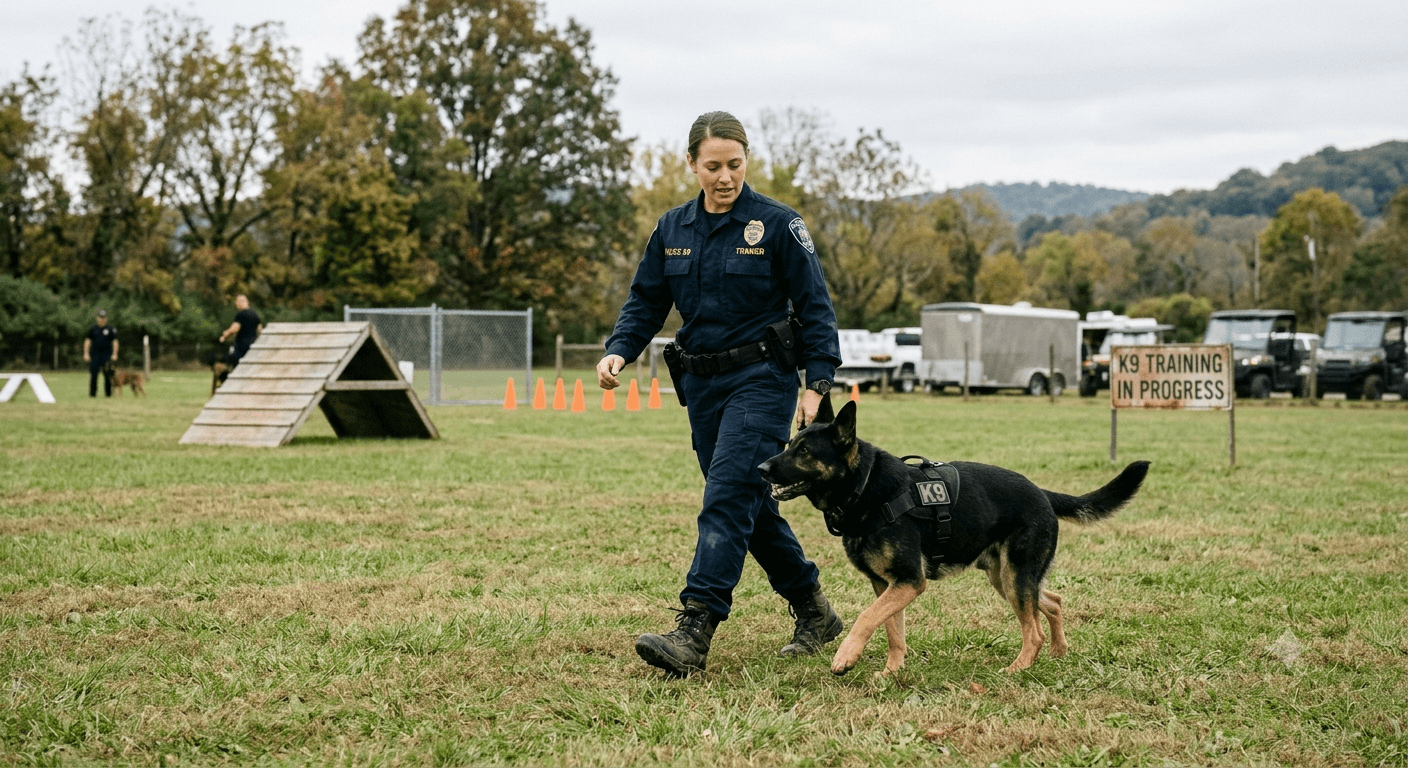
What to Expect from a K9 Handler Training Course
A K9 handler training course develops the communication, practical handling skills and working routines needed to build a productive partnership with a working dog in real-world environments.
 Protection Dogs
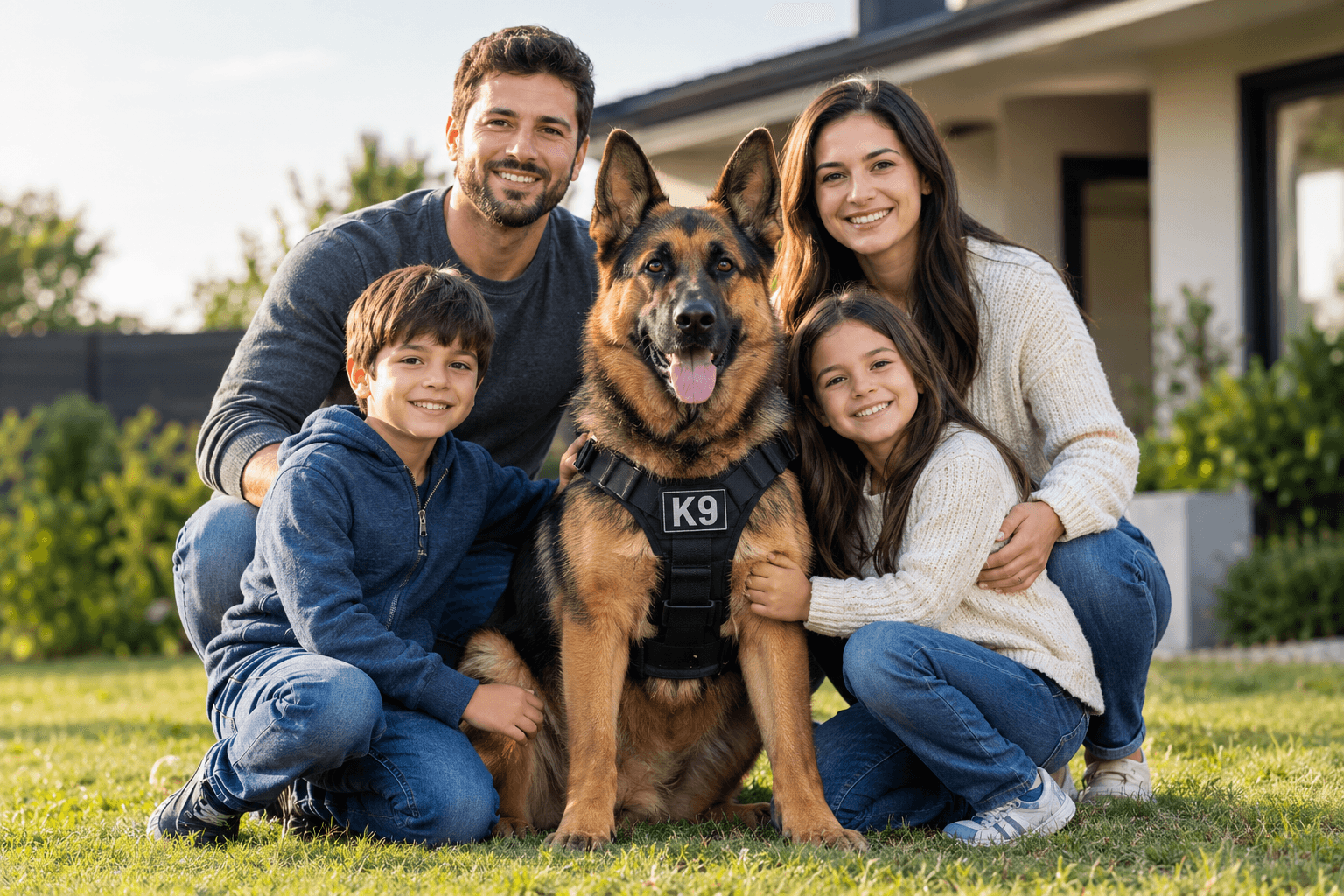
Best Protection Dog Breeds for Families
Discover the best protection dog breeds for families, including German Shepherds, Belgian Malinois, and Rottweilers. Learn about their temperament, training needs, and suitability for family life.
 Protection Dogs
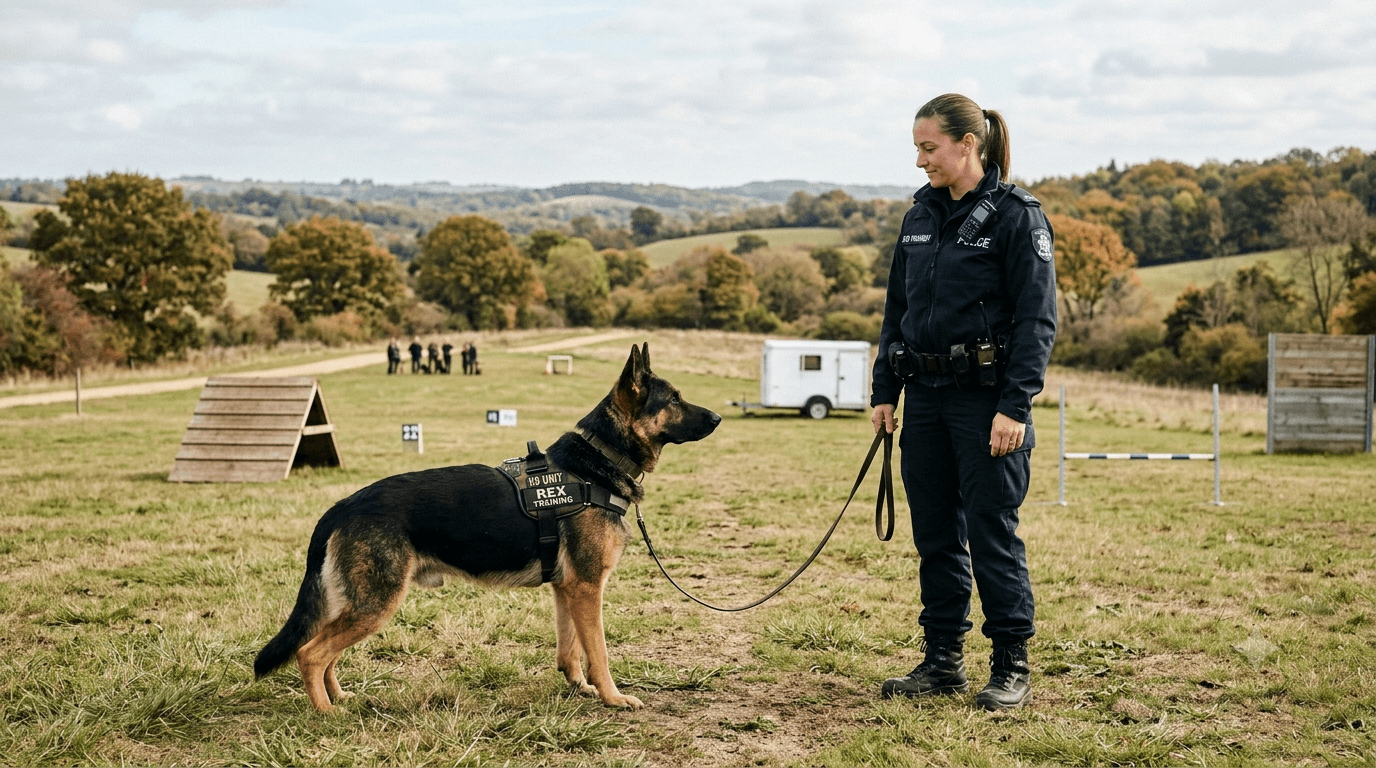
Five Questions to Ask Before Buying a Protection Dog
Buying a protection dog requires careful consideration of temperament, training, household compatibility and ongoing responsibilities. These five questions can help families make a more informed decision.